Why Pray?
Why Do We Pray?
Breaking the Habit, Fr Casey
The act of prayer is about opening our eyes to who God really is. Prayer is arguably the most important thing that any Christian does, and yet most don't know how or why we do it.
The Focus
The Mass is the
Highest Form of Prayer...
If You Need to Miss Mass, Always Do This First...
Attending Sunday Mass is essential in the Catholic faith, and intentionally missing Mass is a mortal sin, which requires confession before you can receive communion again.However, did you know that if you have a serious and legitimate reason for being unable to attend Mass, you can request a dispensation from your priest?
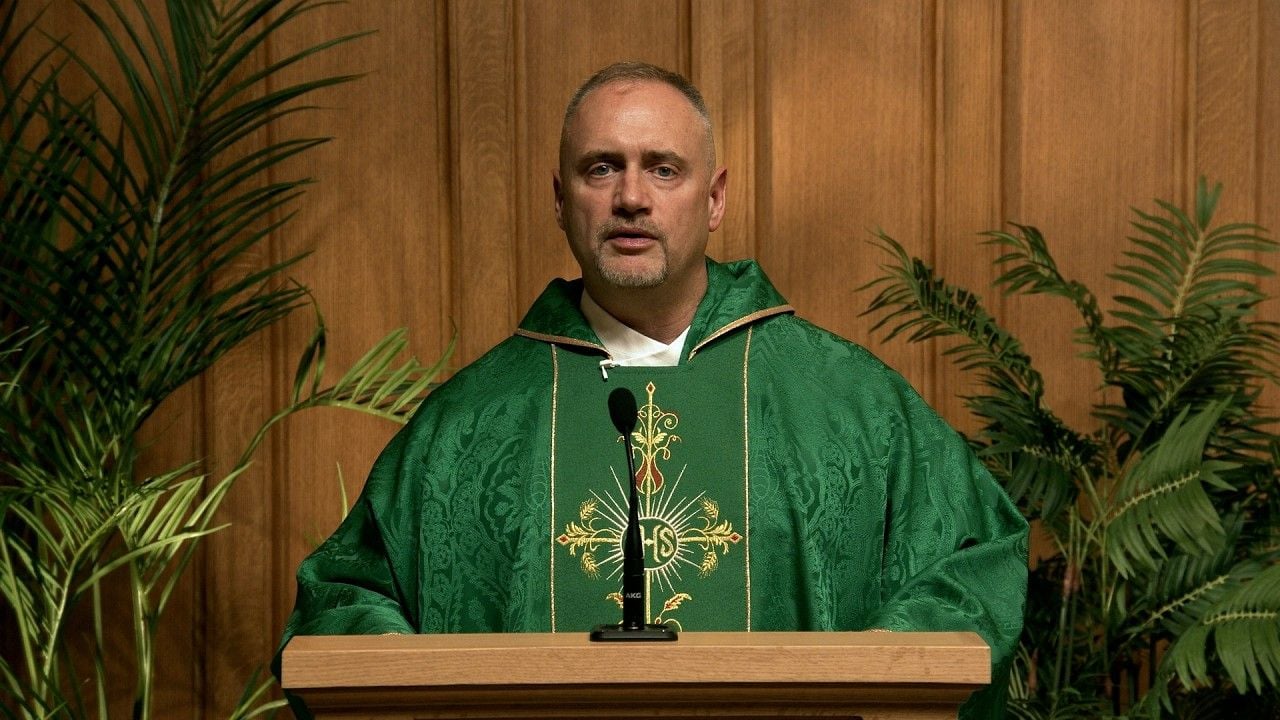
Click the image above any time of day to view the latest Mass from Catholic TV.
Faith and Culture
How to Discern Truth From Online Scandal and Spiritual Hype
Father Leo discusses the rise of Catholic social media influencers and the need for careful spiritual discernment online. He explains why faith sharing on the internet can inspire people, but also why it should not replace authentic catechesis, parish life, Church authority, or real formation.
How to Pray
How to Start Your Prayer Life from Scratch
Prayer is the most important aspect of discerning marriage! And a lot of people don't know where to start when it comes to cultivating a personal prayer life. In this video, Elizabeth Busby gives you SUPER practical advice for beginning your life of prayer.
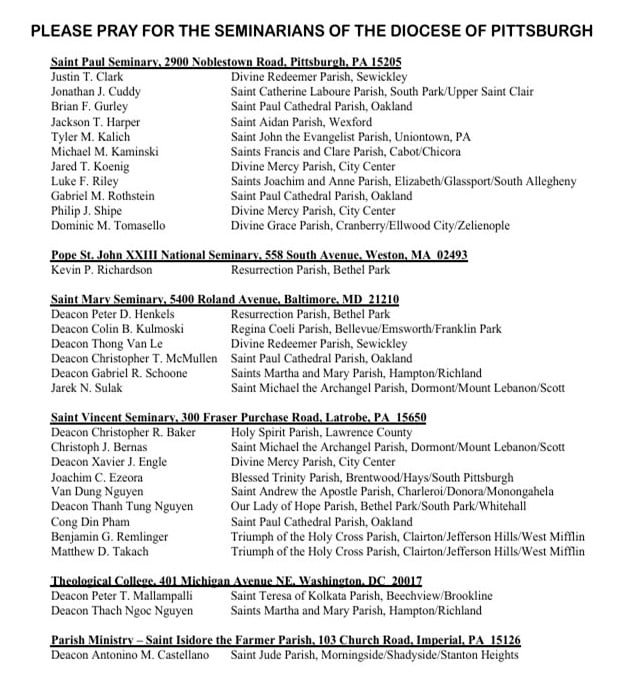
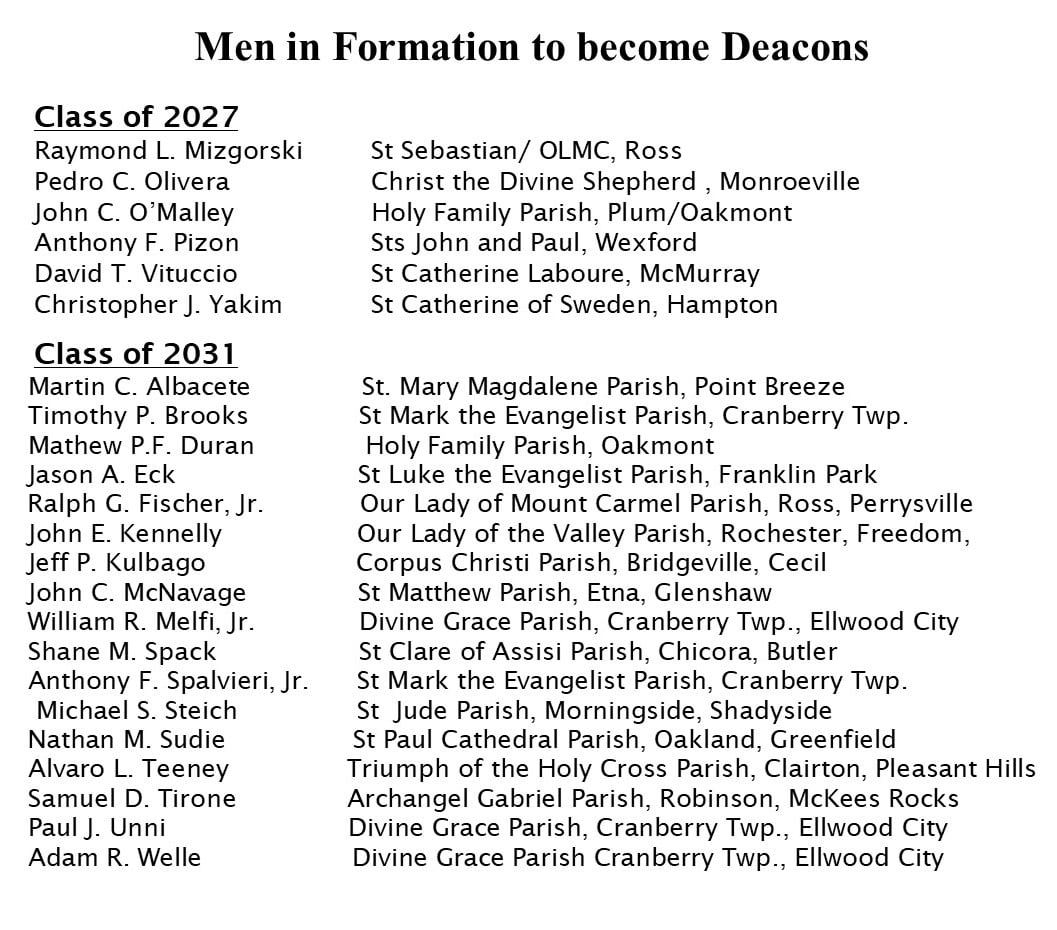
Please Pray for Vocations!
Below we list the latest seminarian roster (as of 10-26) and the diaconate formation rosters, as well as a full parish directories (with church locations) of both Vicariates in the Diocese.
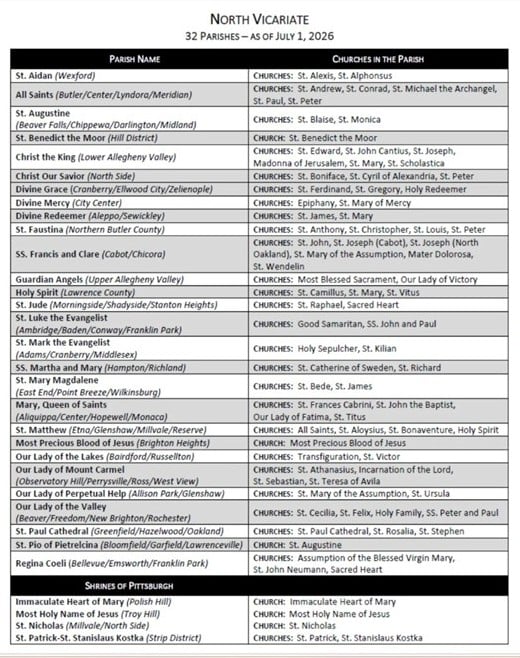
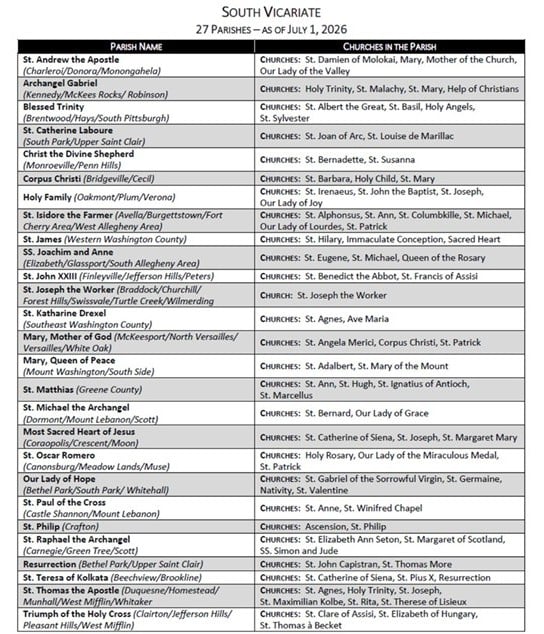
Vocations
How to Discern Your Vocation
From a comment by a fellow deacon: "My pastor knows the details but most people know very little about the position and my ministry. The most important part to me is having one foot in the world and the other in the Church, able to relate to people in both faith and real world problems is a huge asset to the faith and congregation and never be afraid to talk to your deacon about anything."

Nov 2025: Mary Frances Lerch, Shirley Dickson, Richard Nolan
Dec 2025: Janice Steinhauser, Frank Lowe
Jan 2026: Allen Schomaker
Feb 2026: Virginia Briski, Laura DiCola
March 2026: Sister Celeste Hupert, Michael Van Leer, Barbara Davis
April 2026: Sr Carol Troesch, Marie Adams, Barbara Fuerst, Judith Scott, Jane Welka, Paul Walsh
May 2026: John Staudacher, Dennis McLean, Pauline Zelina, Joseph Kaib, Martha Foster
July 2026: Frank LoPresti, Theresa Henderson
Aug 2026: Vivian Castiglioni, Sr Therese Martin Blehar, Lorene Bauer
Sept 2026: Shirley Kohler, Fr Peter Murphy, John Eichenlaub
Oct 2026: Elmer Haberman, Mary Botta, Francis Foley, Ed Bober
If you’ve been in church for a long time, you may have heard that the Beatitudes are almost like the Ten Commandments of the New Testament; that Jesus is saying if you do these things, you’ll grow and be blessed. While this is true, I believe that there is another dimension to the Sermon on the Mount that is often overlooked. You see, Jesus looked out at a crowd filled with people needing help — the ones society had rejected and outcast — and He declared them blessed. He wasn’t saying to do or be certain things, rather, He was saying that the Kingdom of Heaven had come and was available to them right in that moment. Many who were listening had been told that they were out of luck because they were not wealthy or super-religious, so Jesus declares to them that God’s Kingdom is now among them and they can have hope!
You see, the Beatitudes are Jesus’ proclamation that the best is yet to come! He sets the stage and tells people that the world is about to be shaken up; that the first will be last, and that God has chosen rejects, prostitutes, murderers, and tax collectors to be His chosen ones. He’s picked anybody that will simply answer the call and say, “Yes, Lord.”
Friend, hope and joy are yours in the Kingdom of God today, just as they were when Jesus first announced His coming 2,000 years ago. Regardless of your past mistakes or how inadequate you feel, you can receive His good news in your life; just call out to Jesus and ask Him to be the Lord of your past, present and future!
-Pastor Bobby Schuller
Step Back and Reflect - An Essay
Memory Lane!
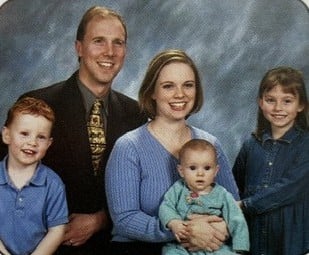
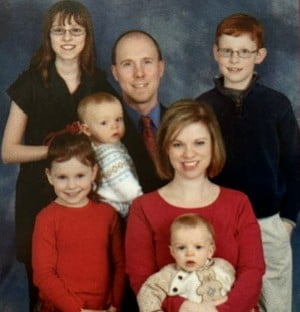
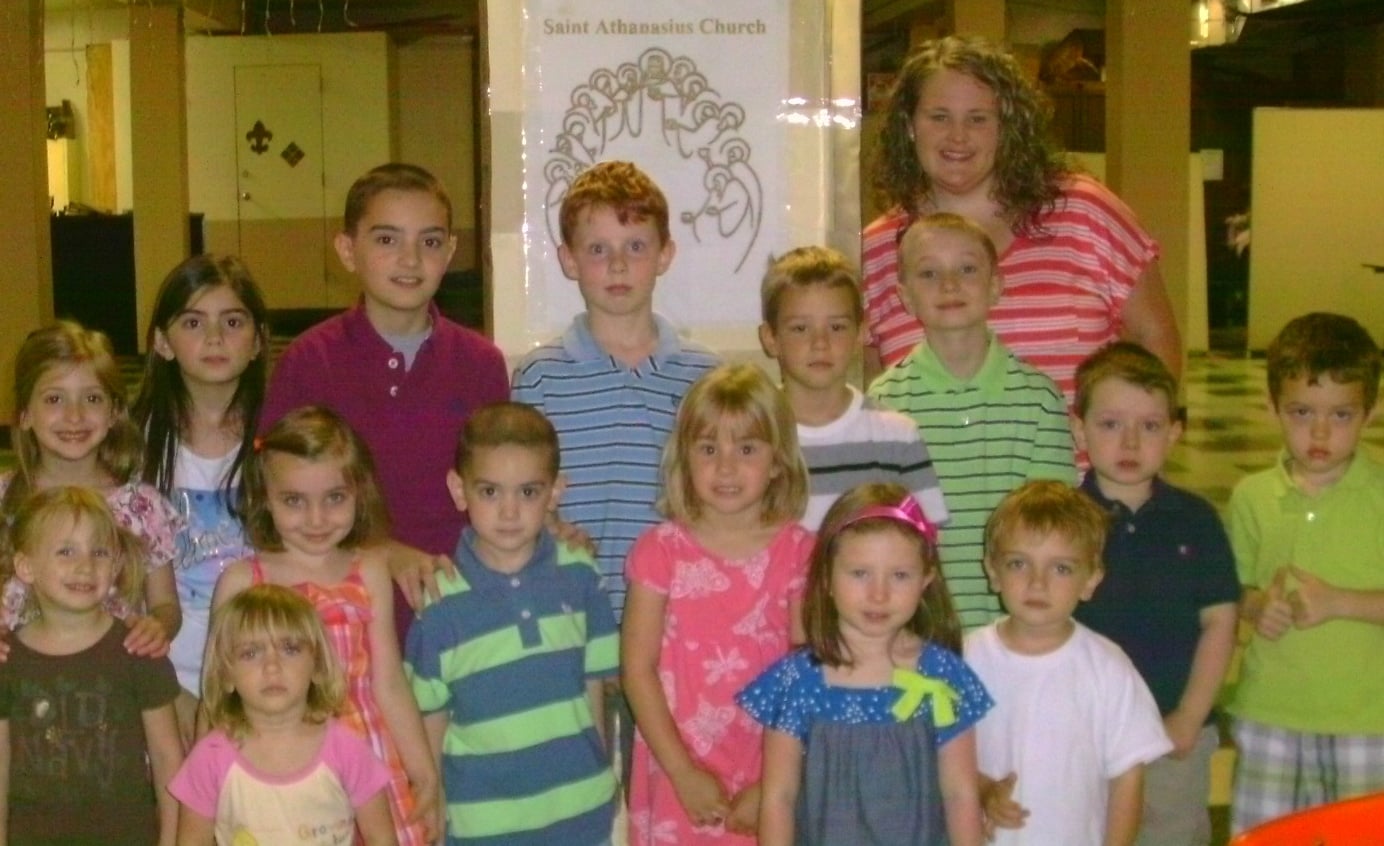
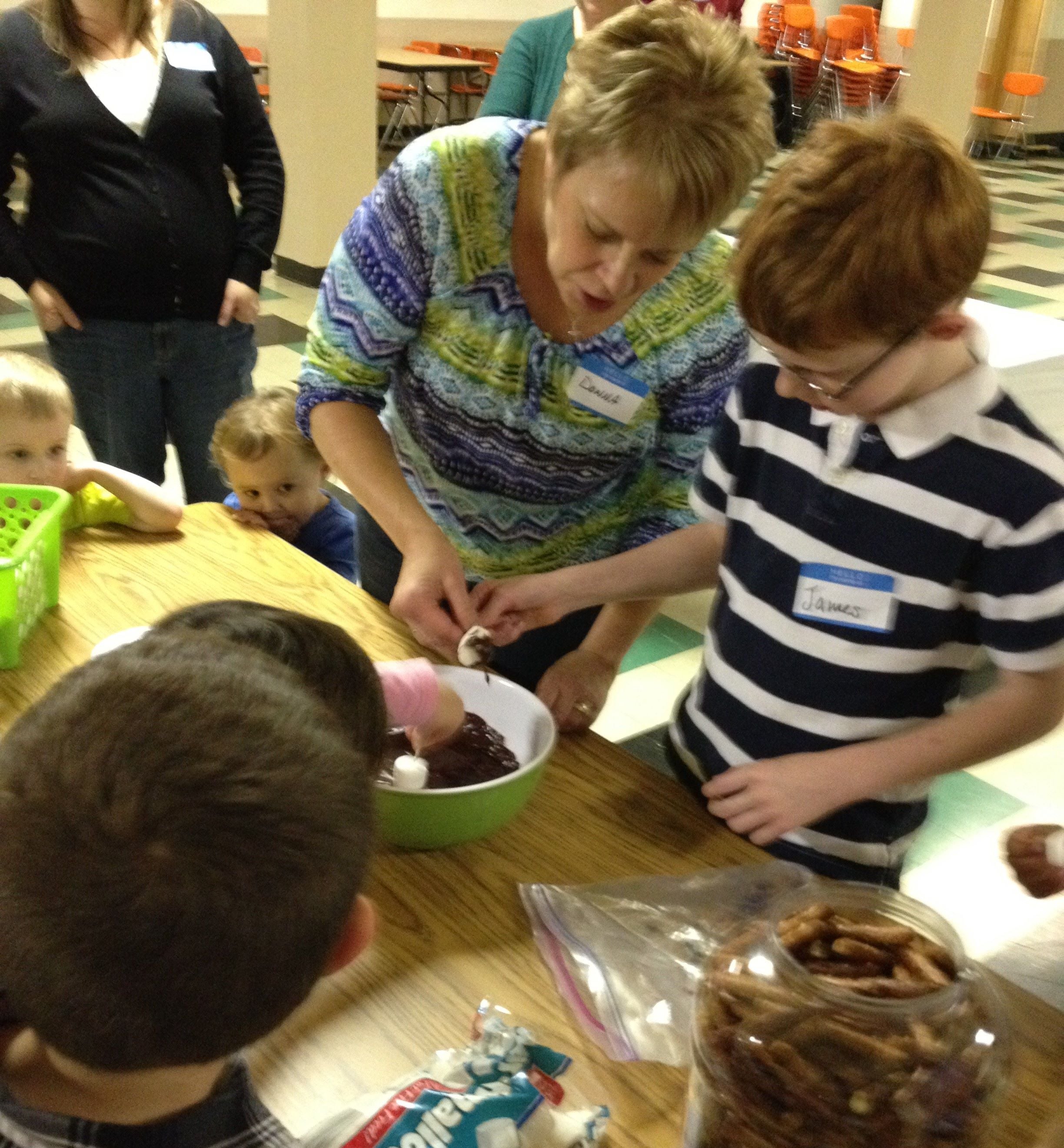
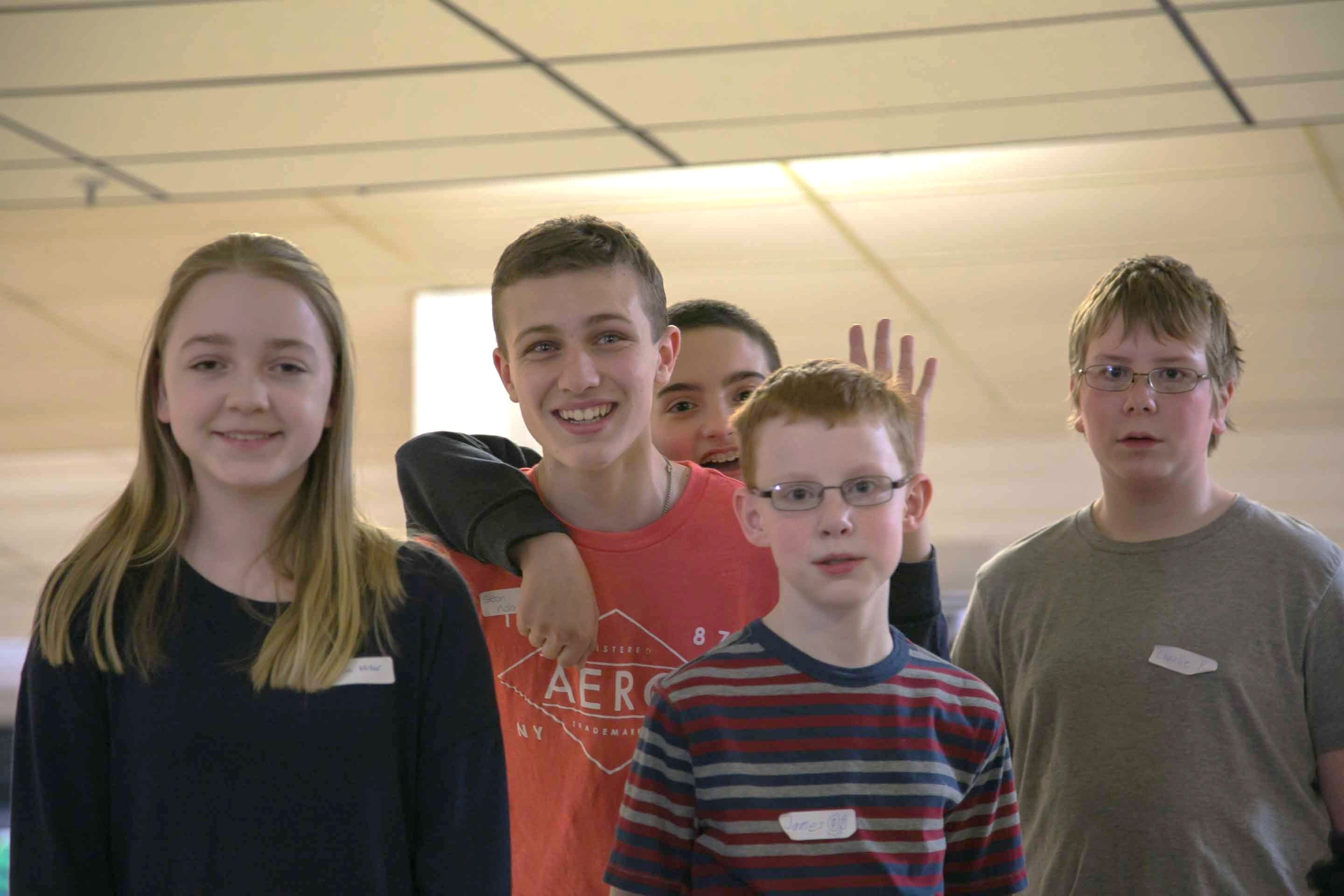
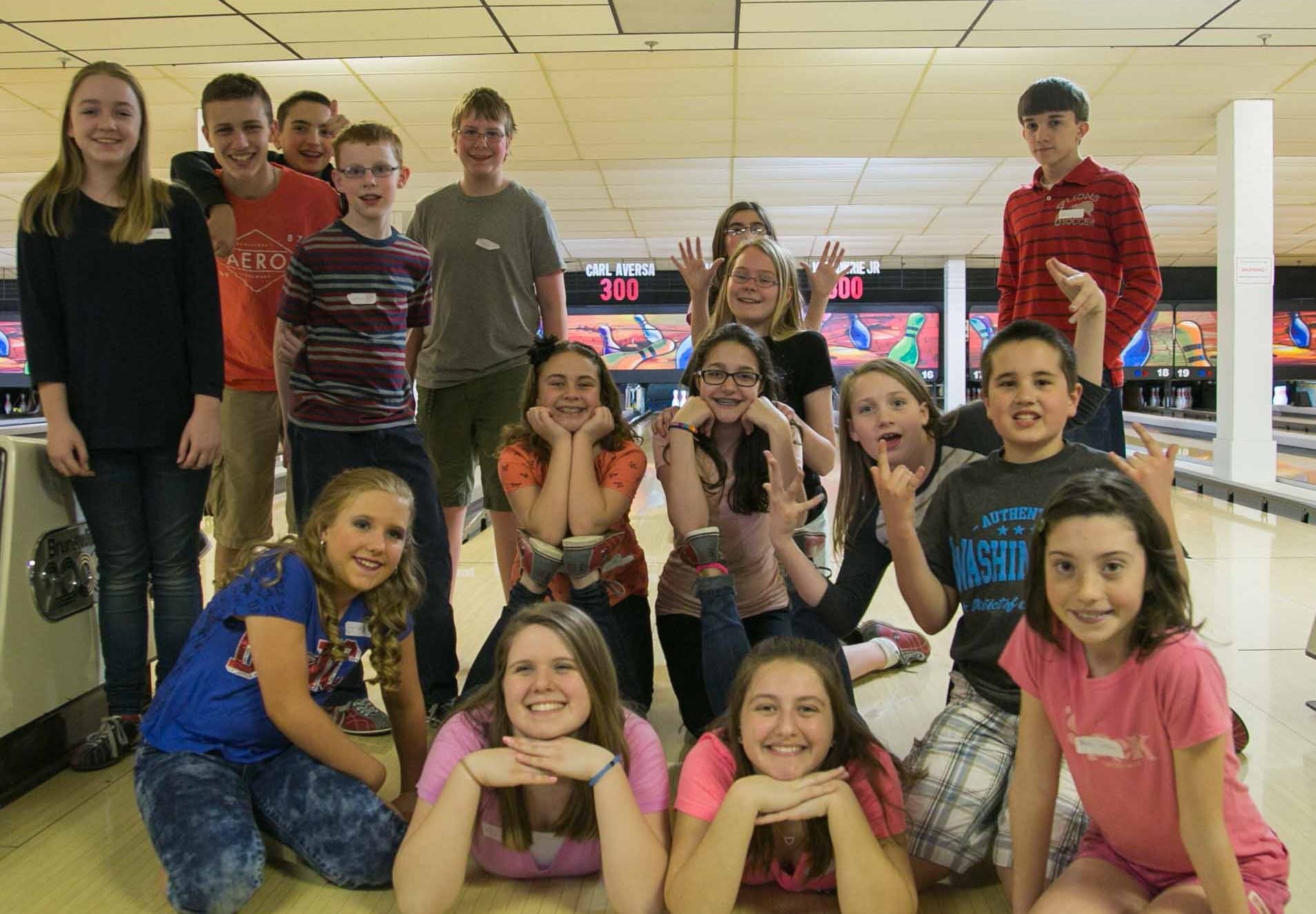
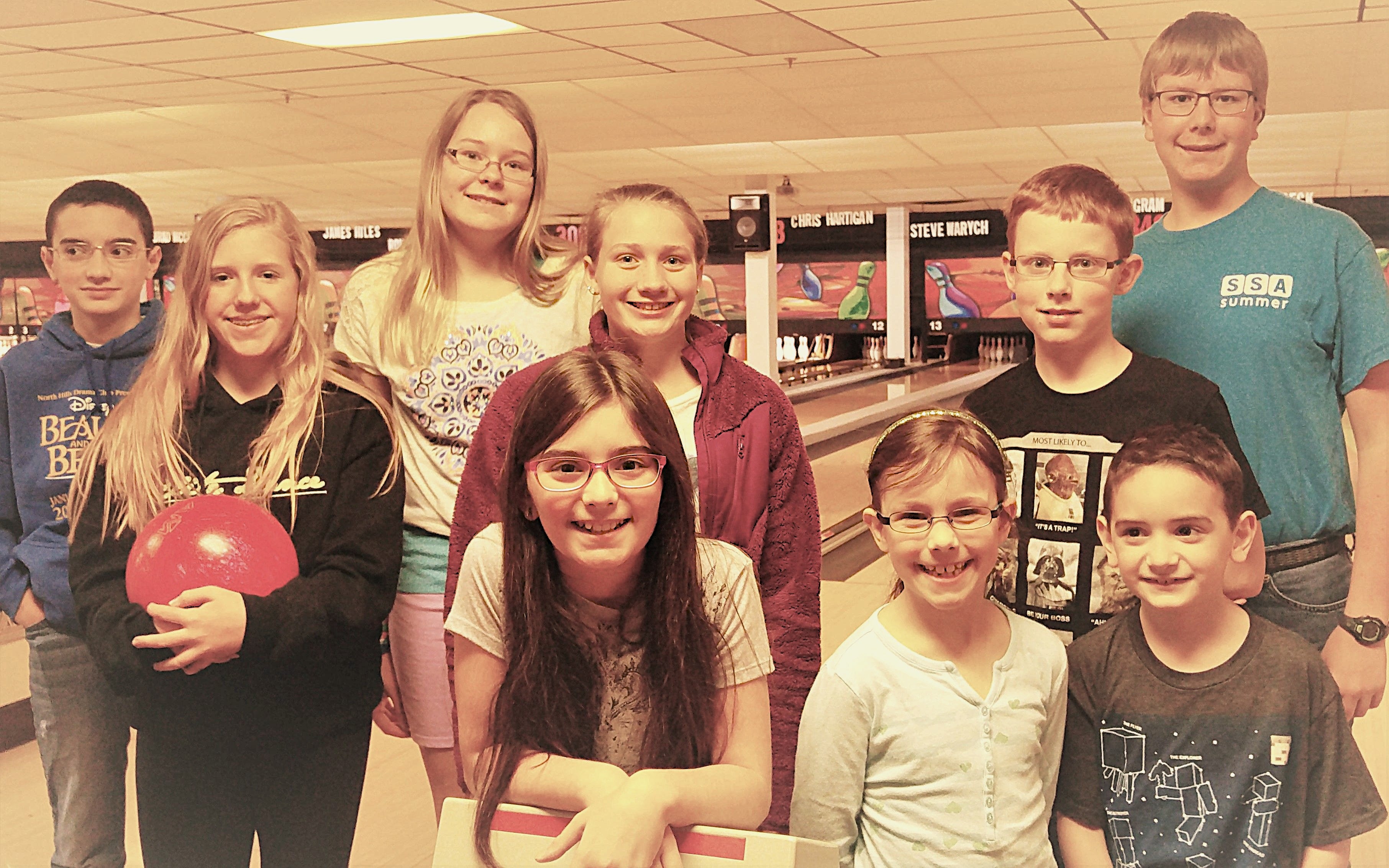
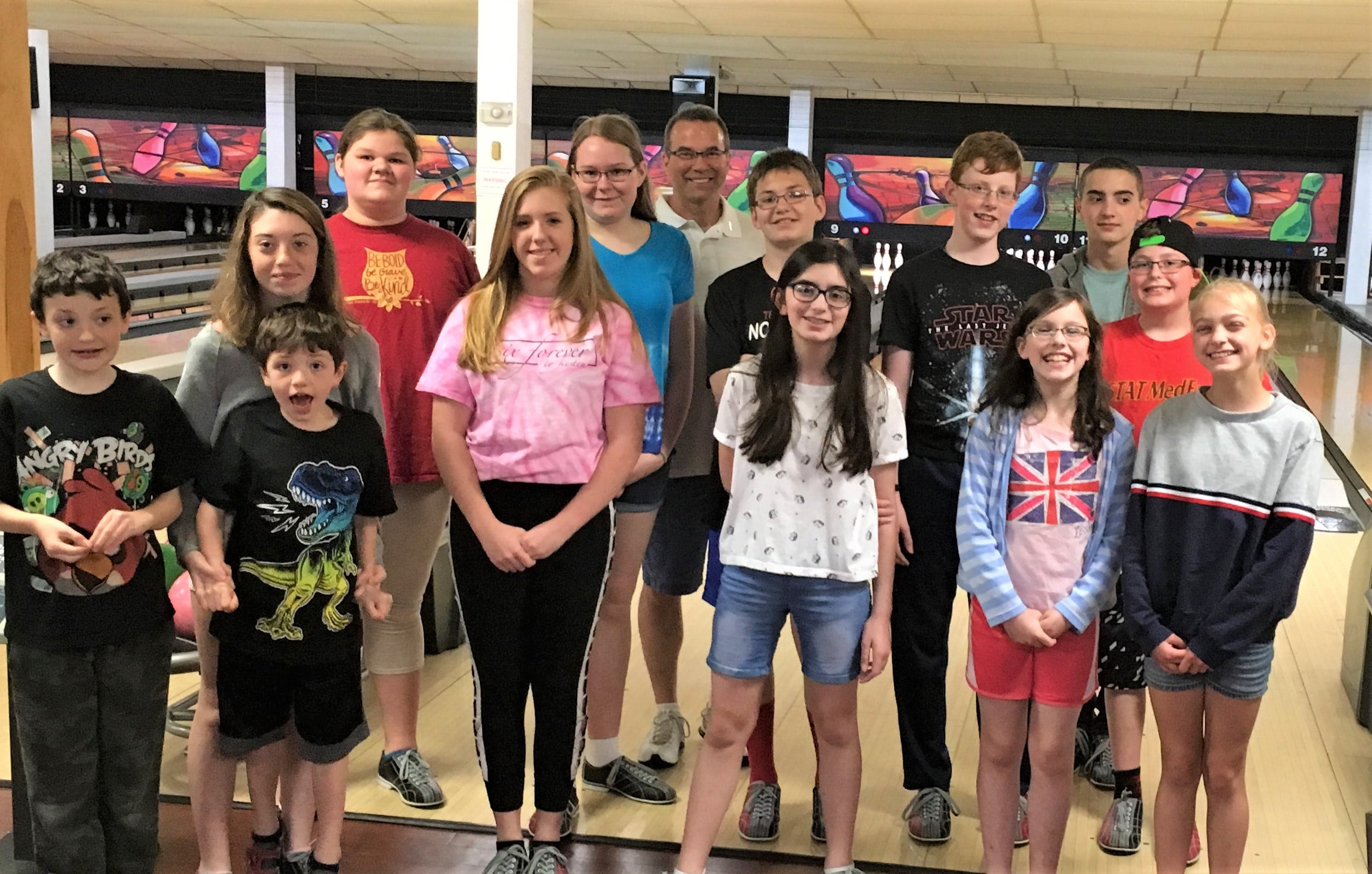
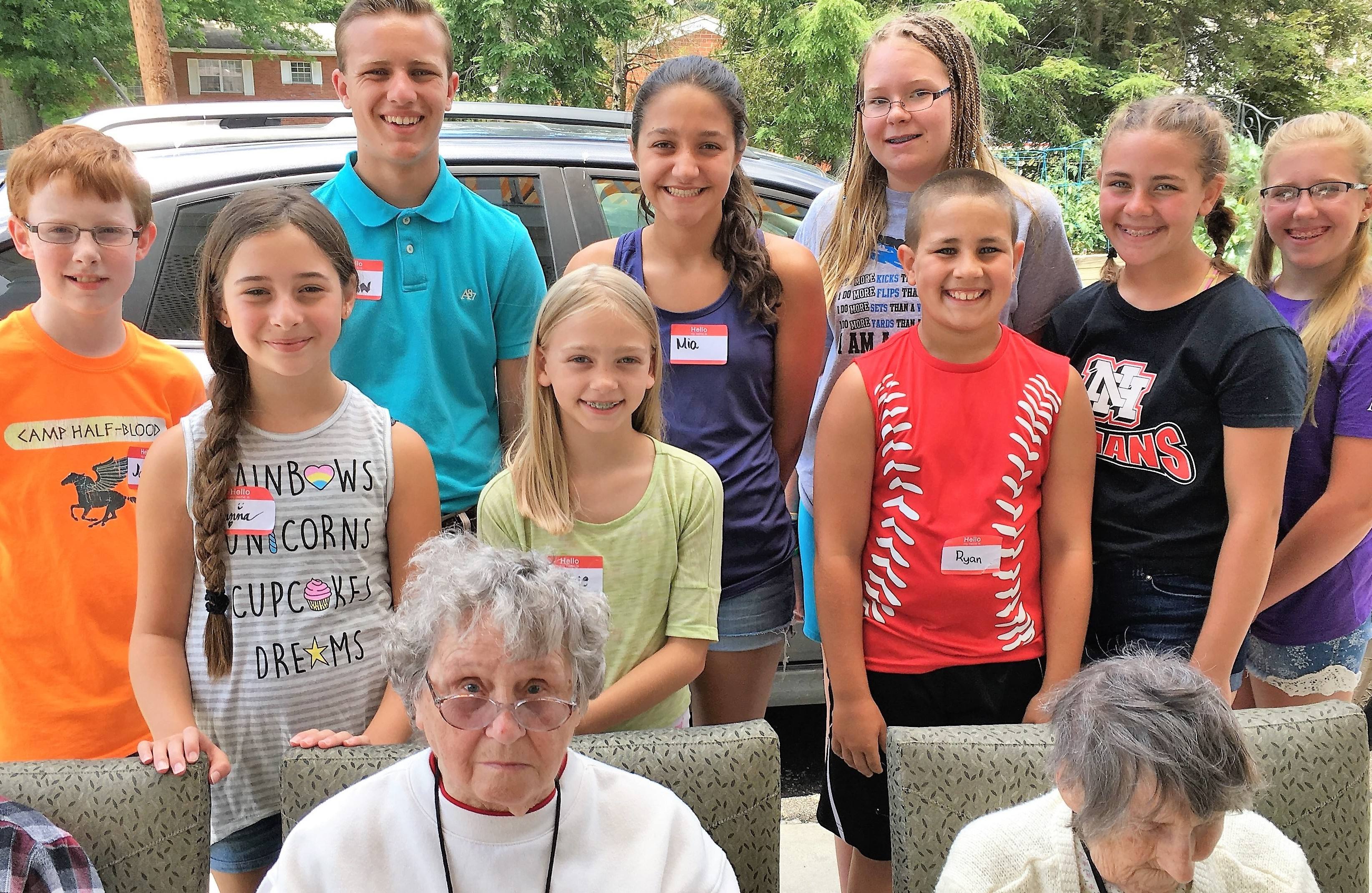
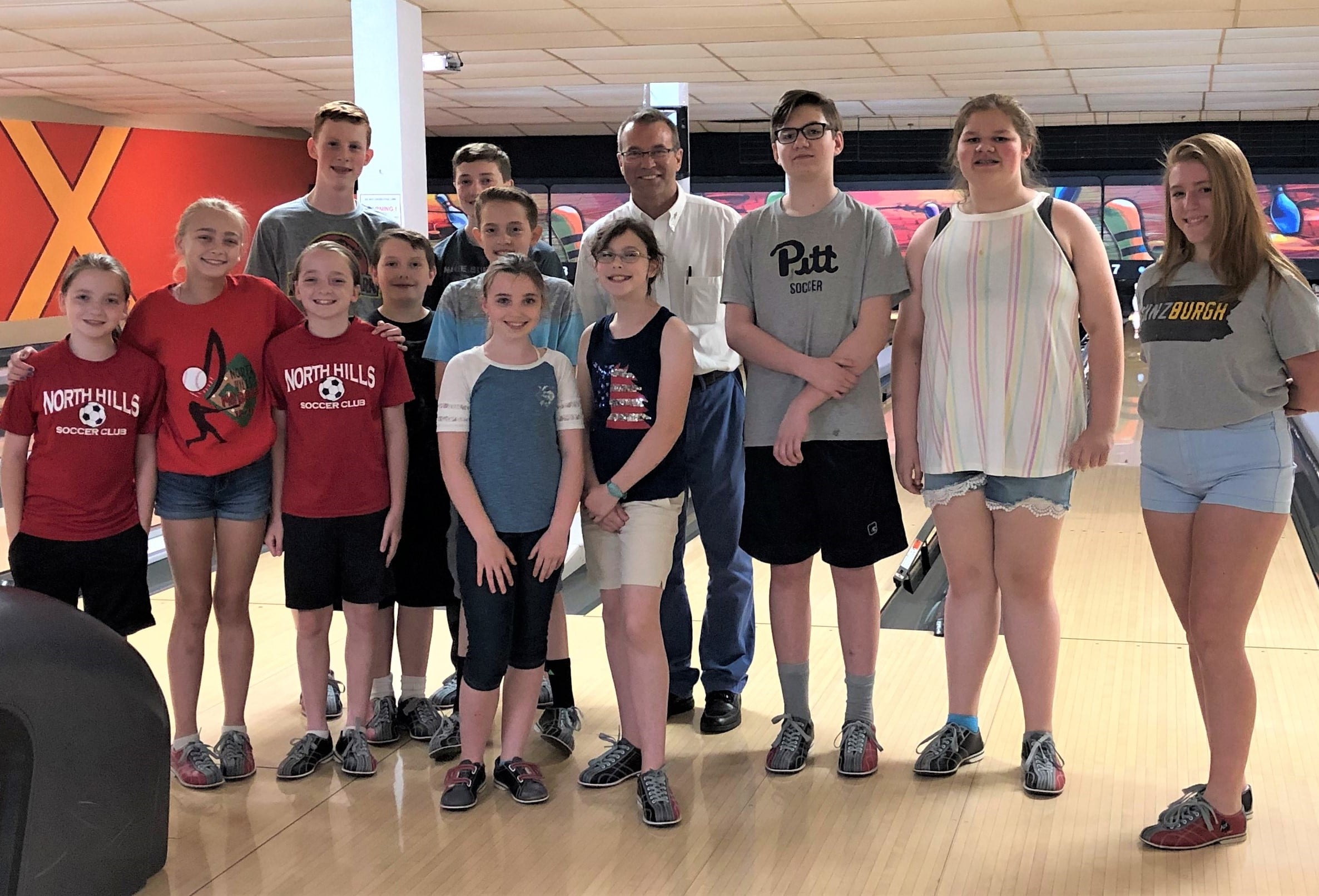
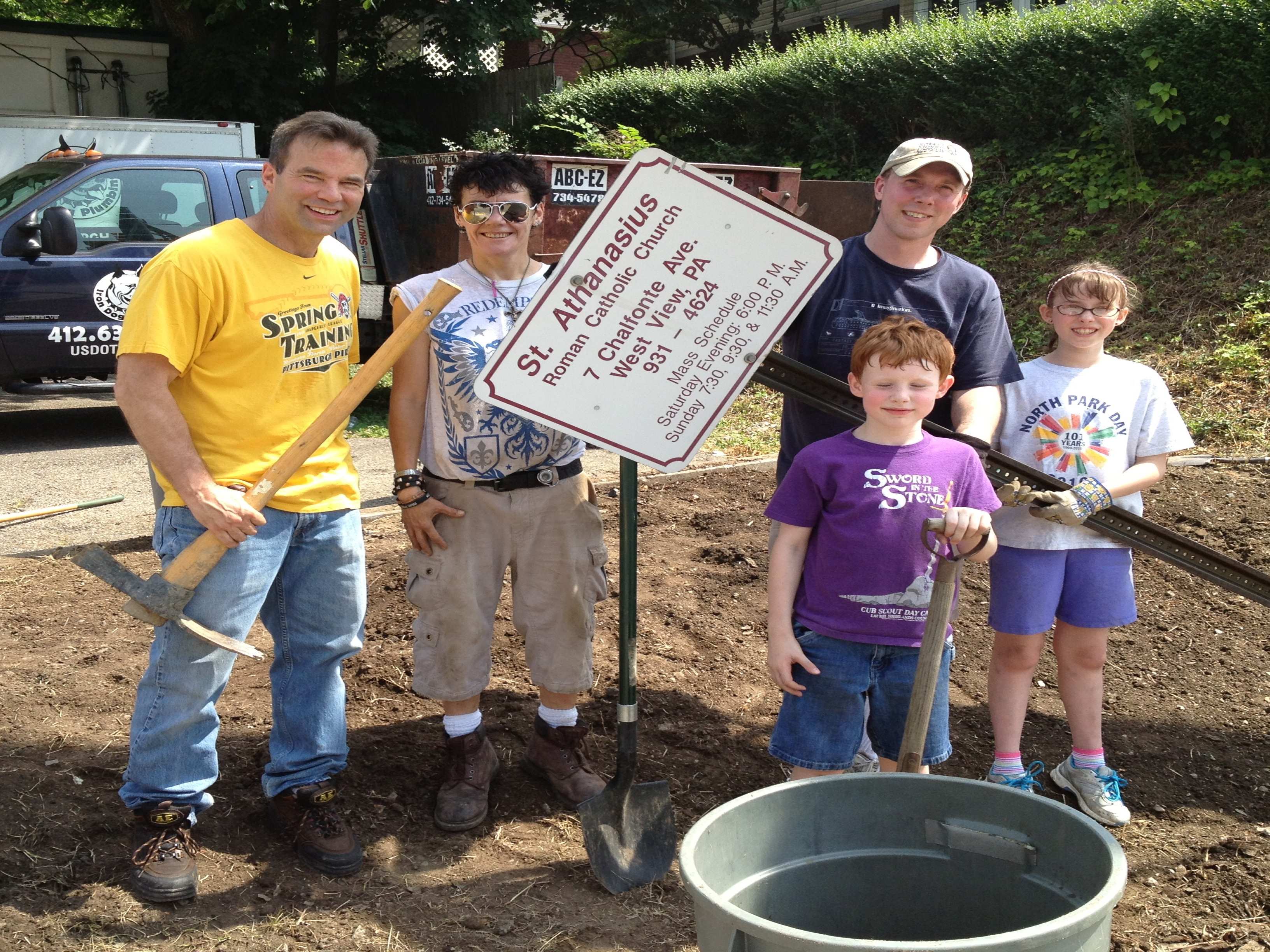
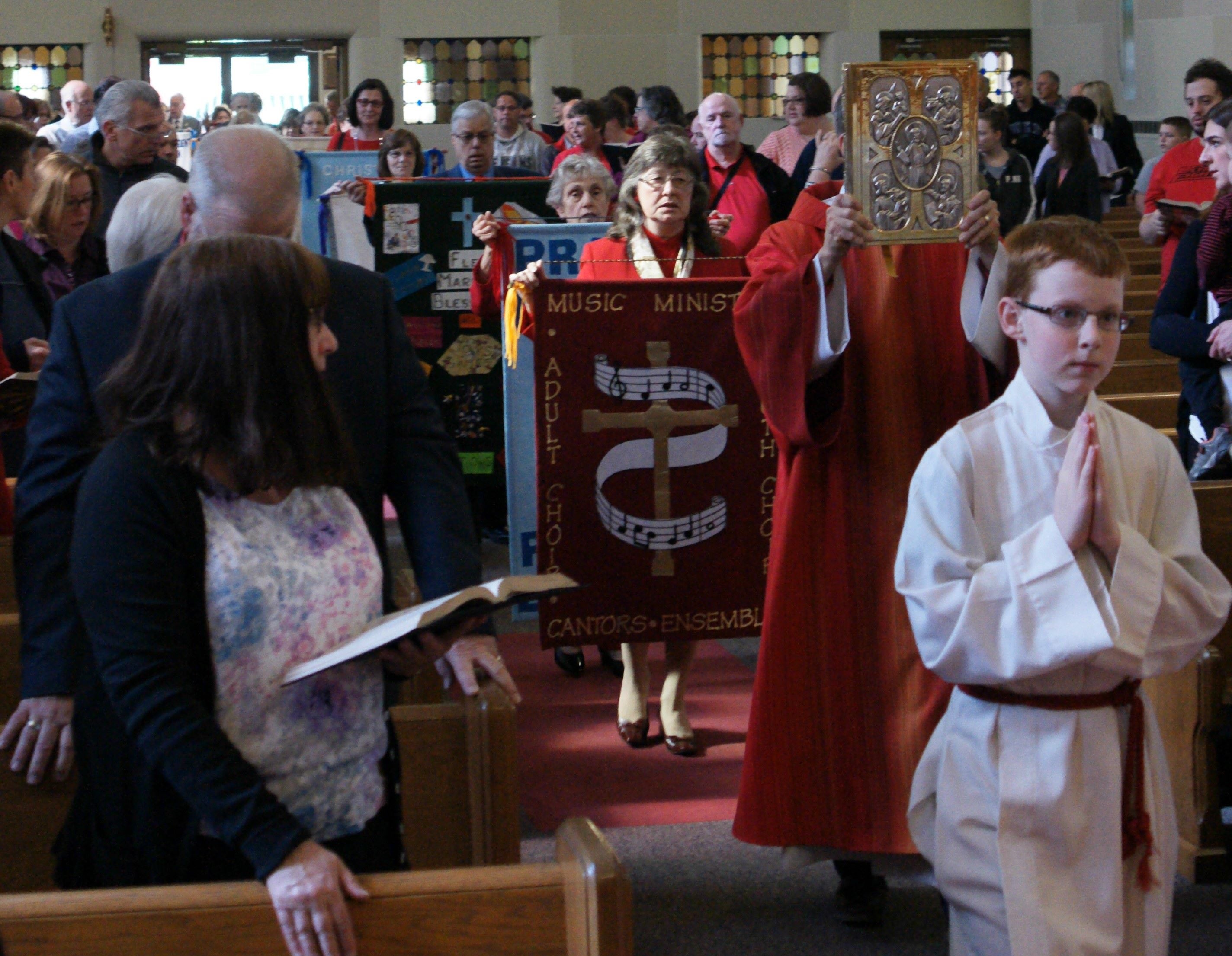
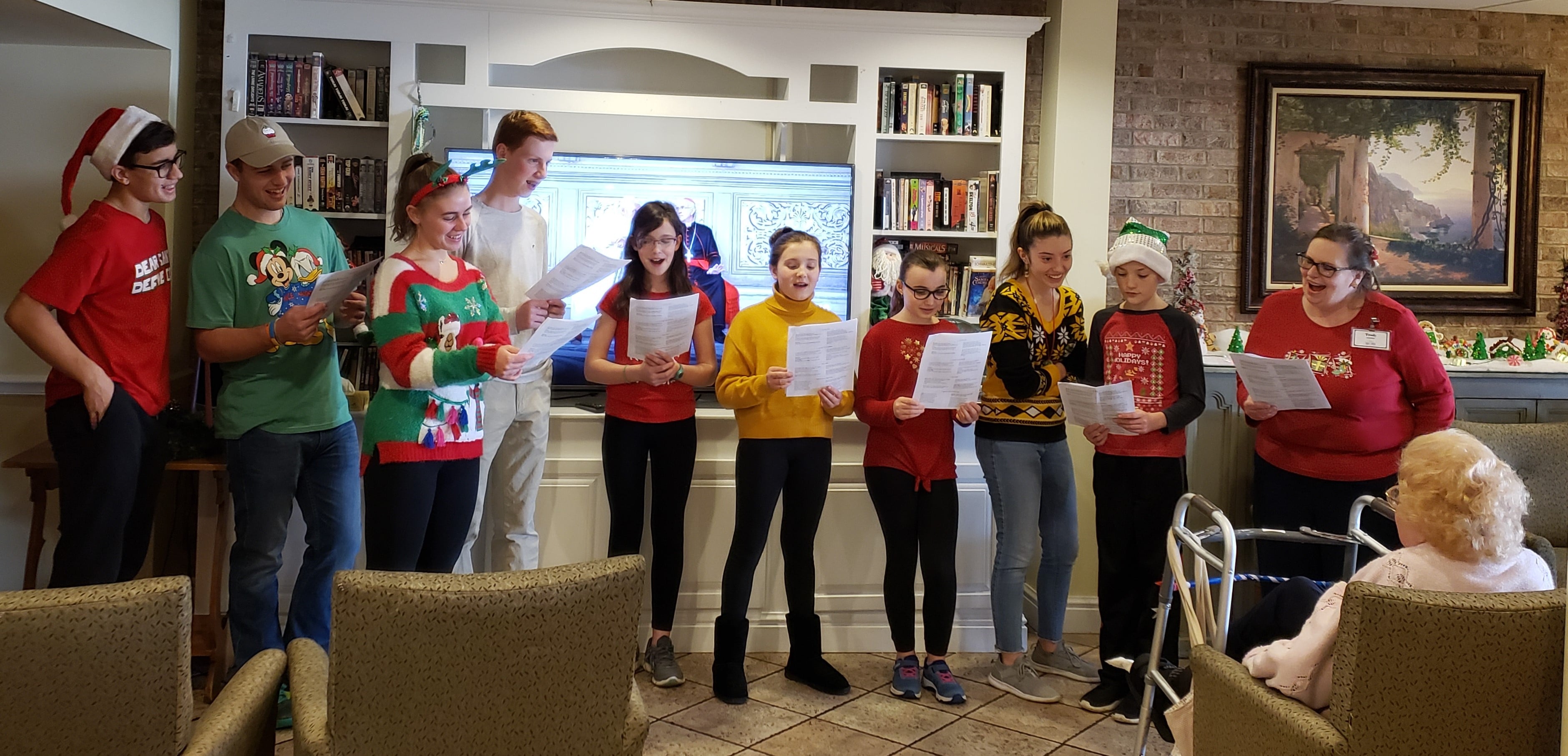
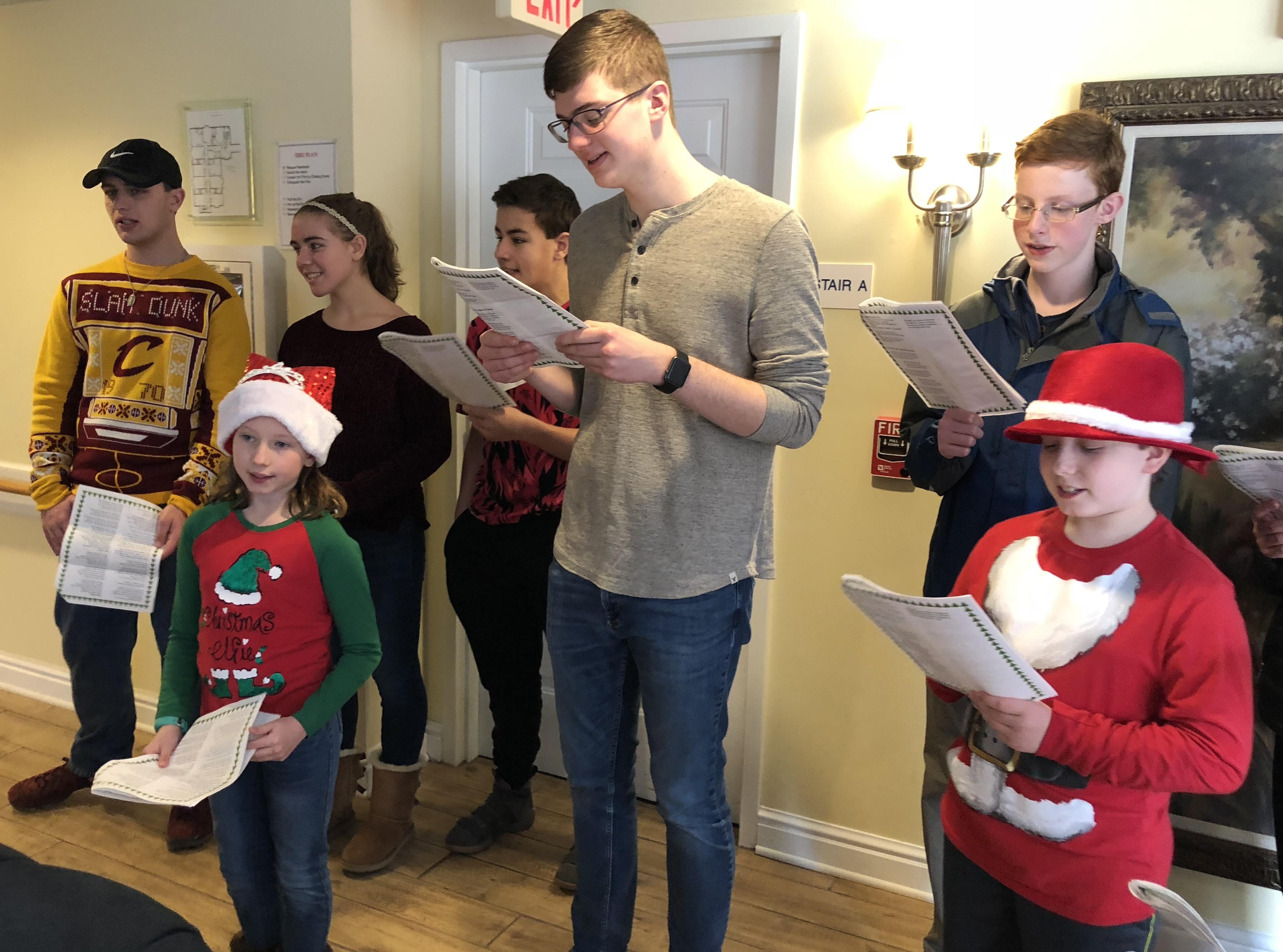
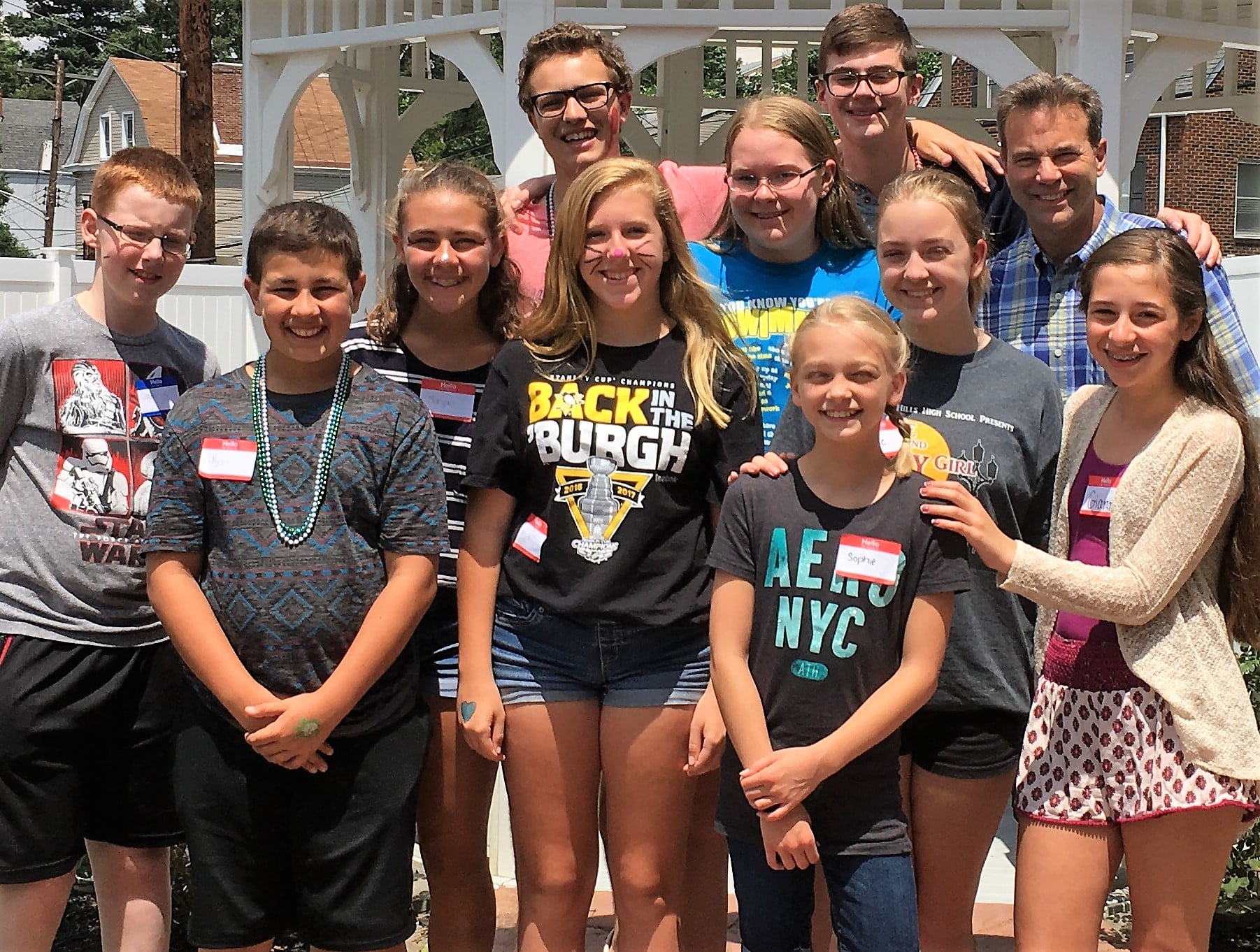
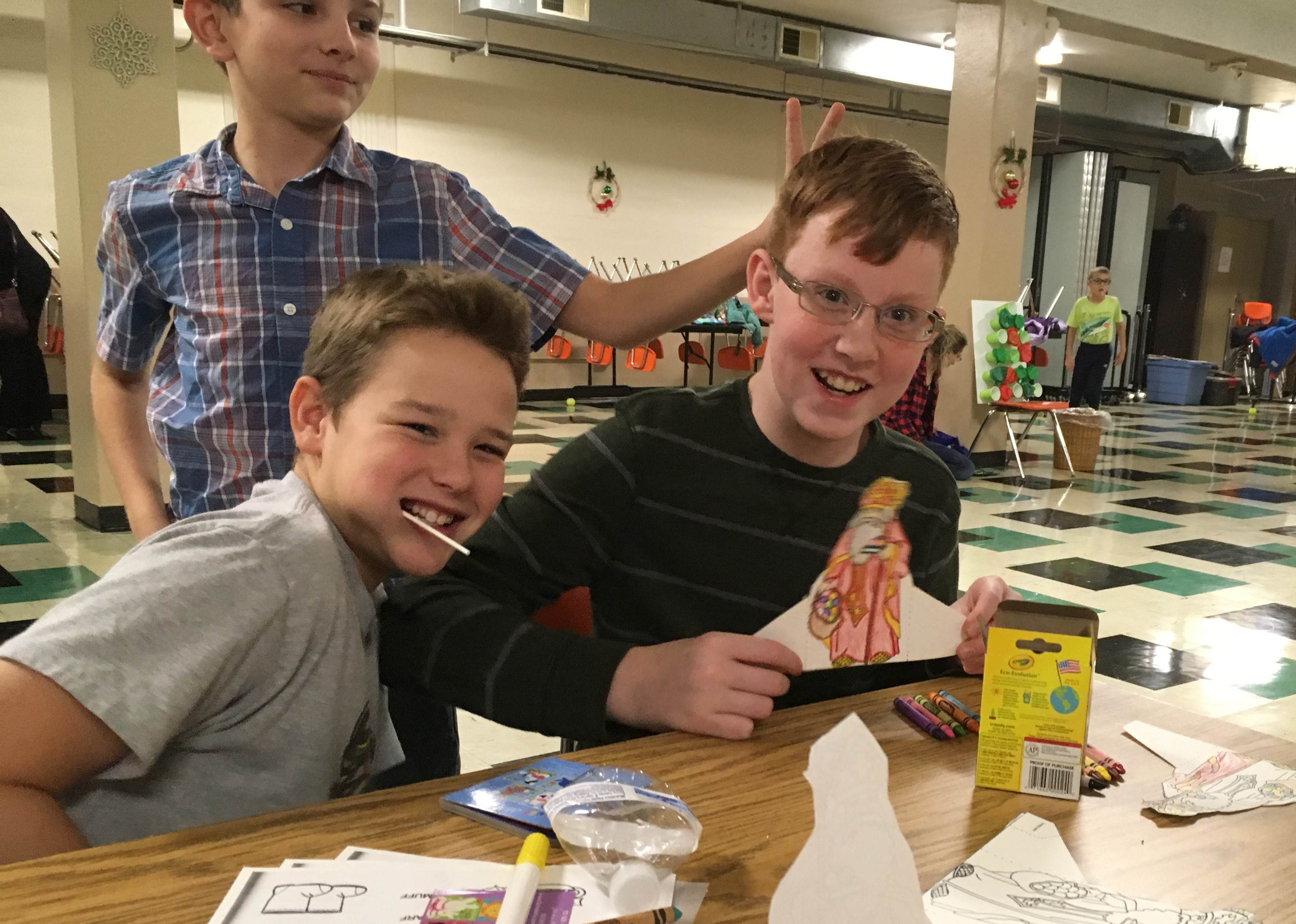
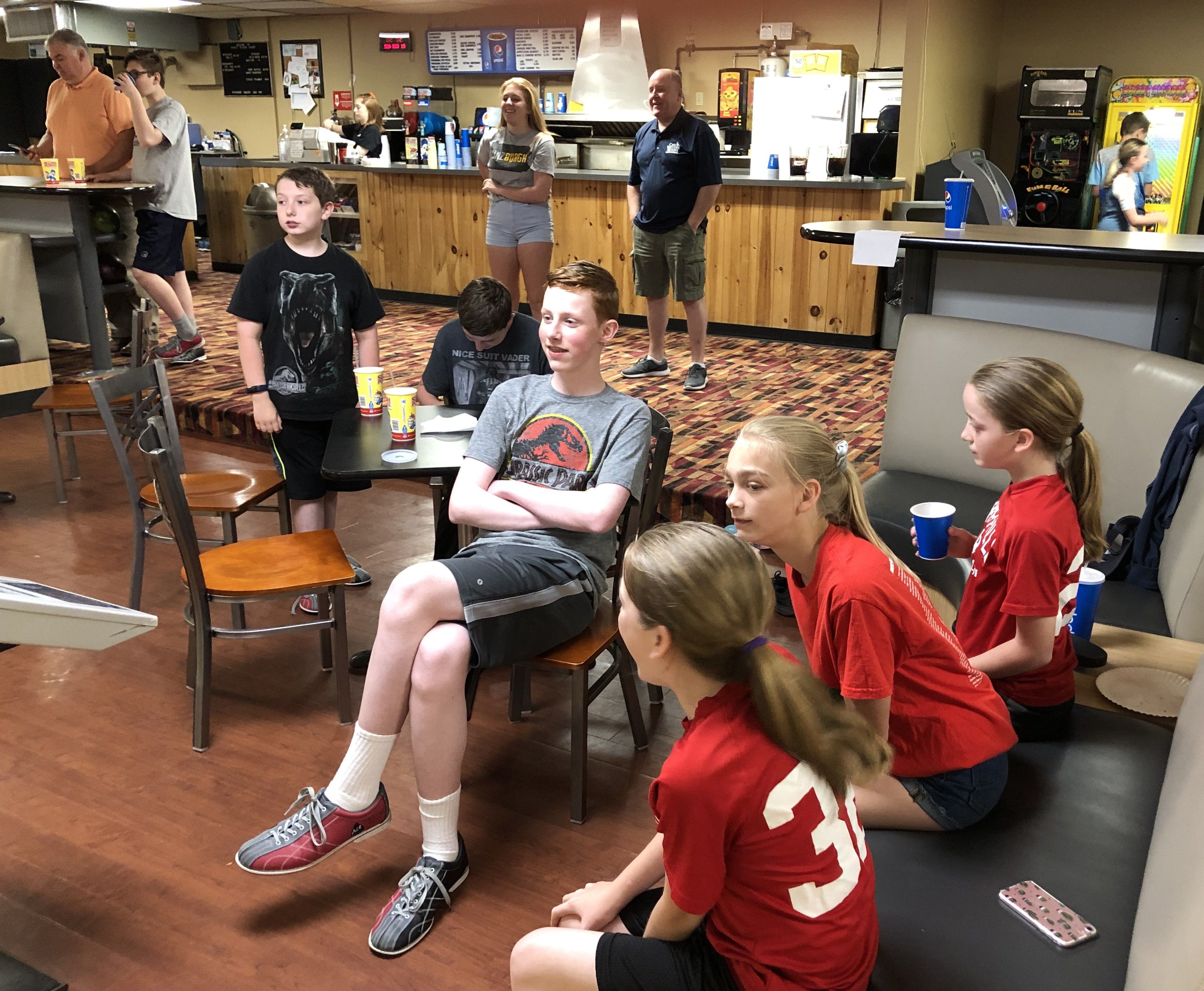
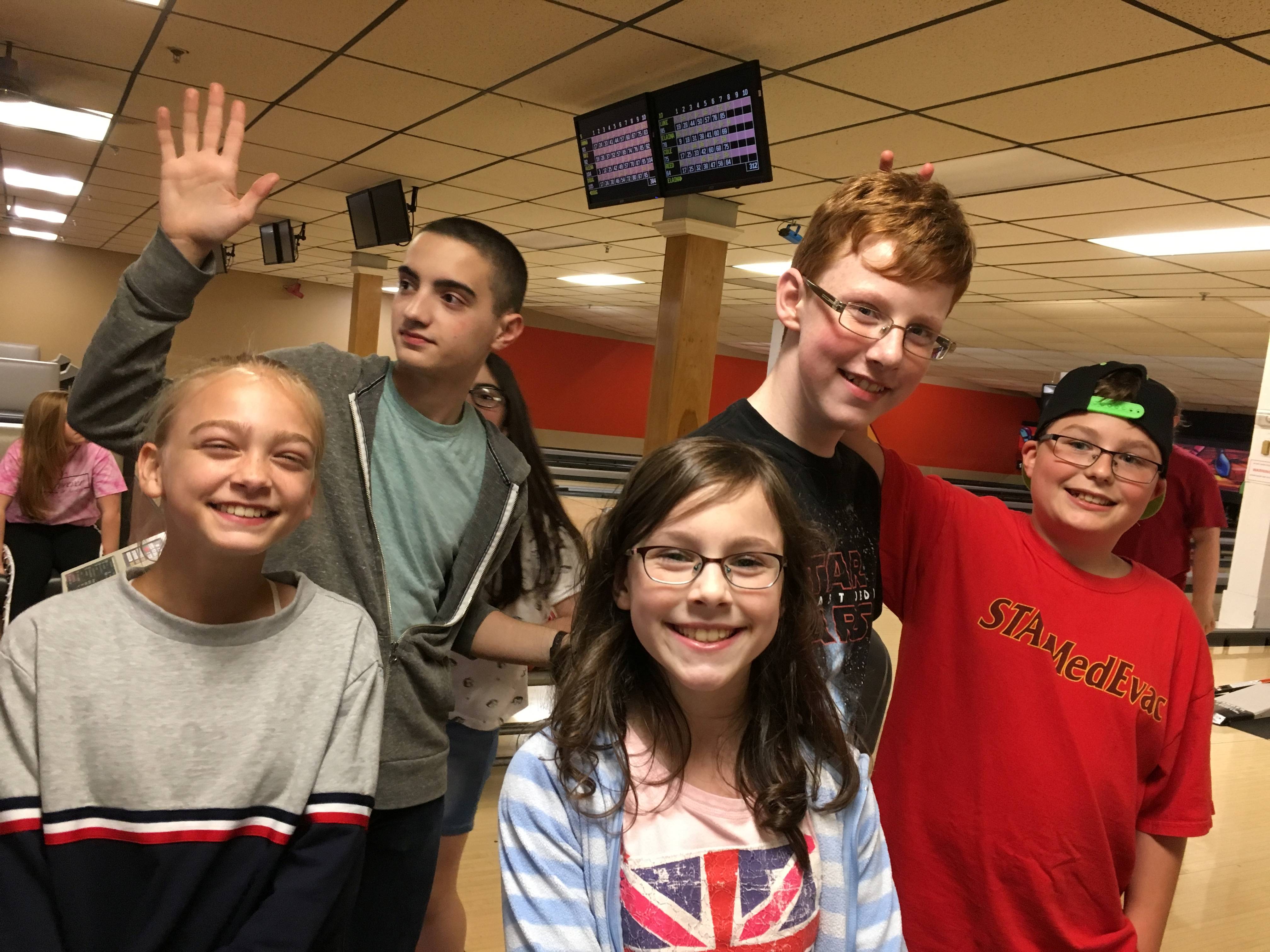
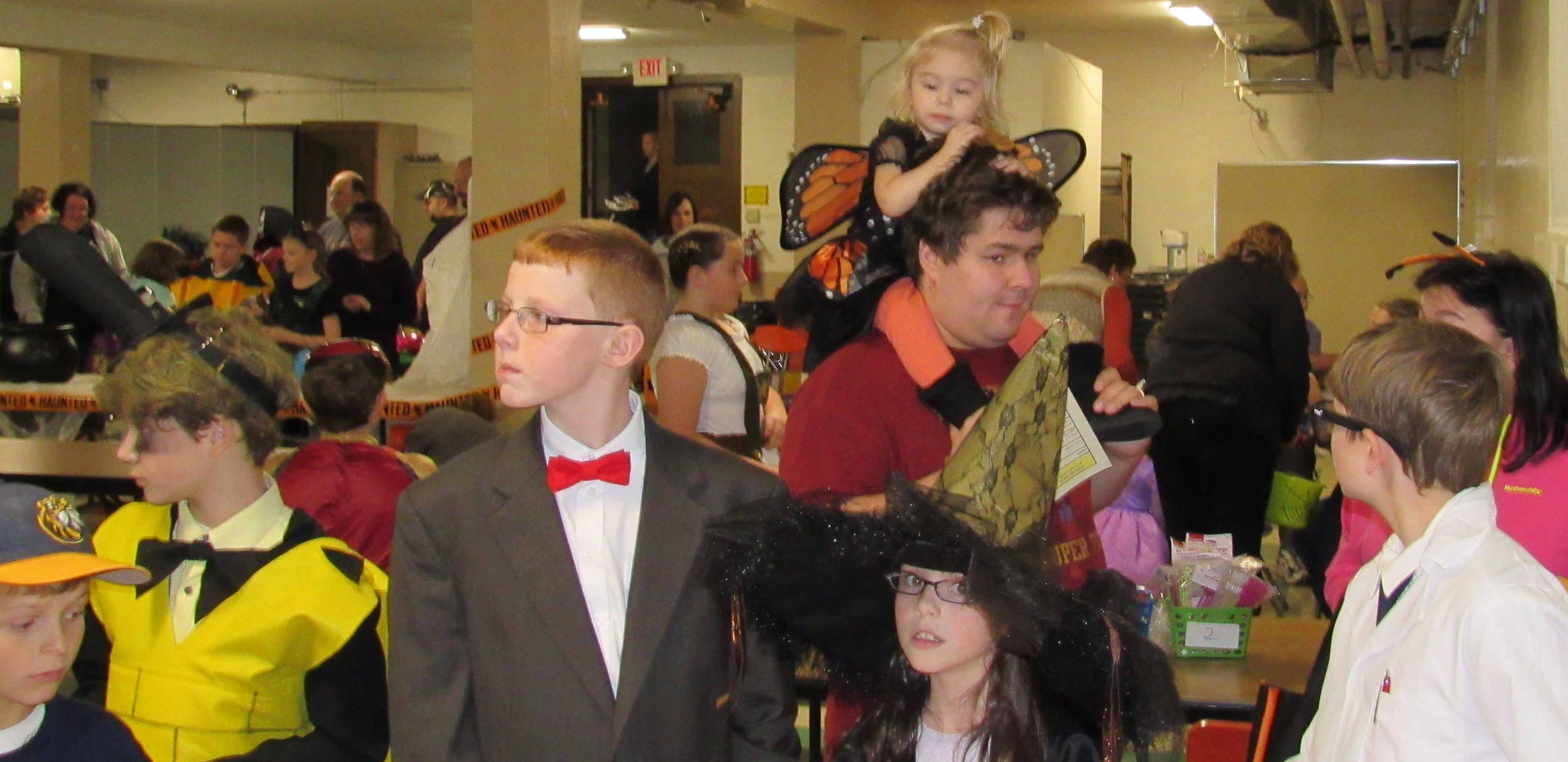
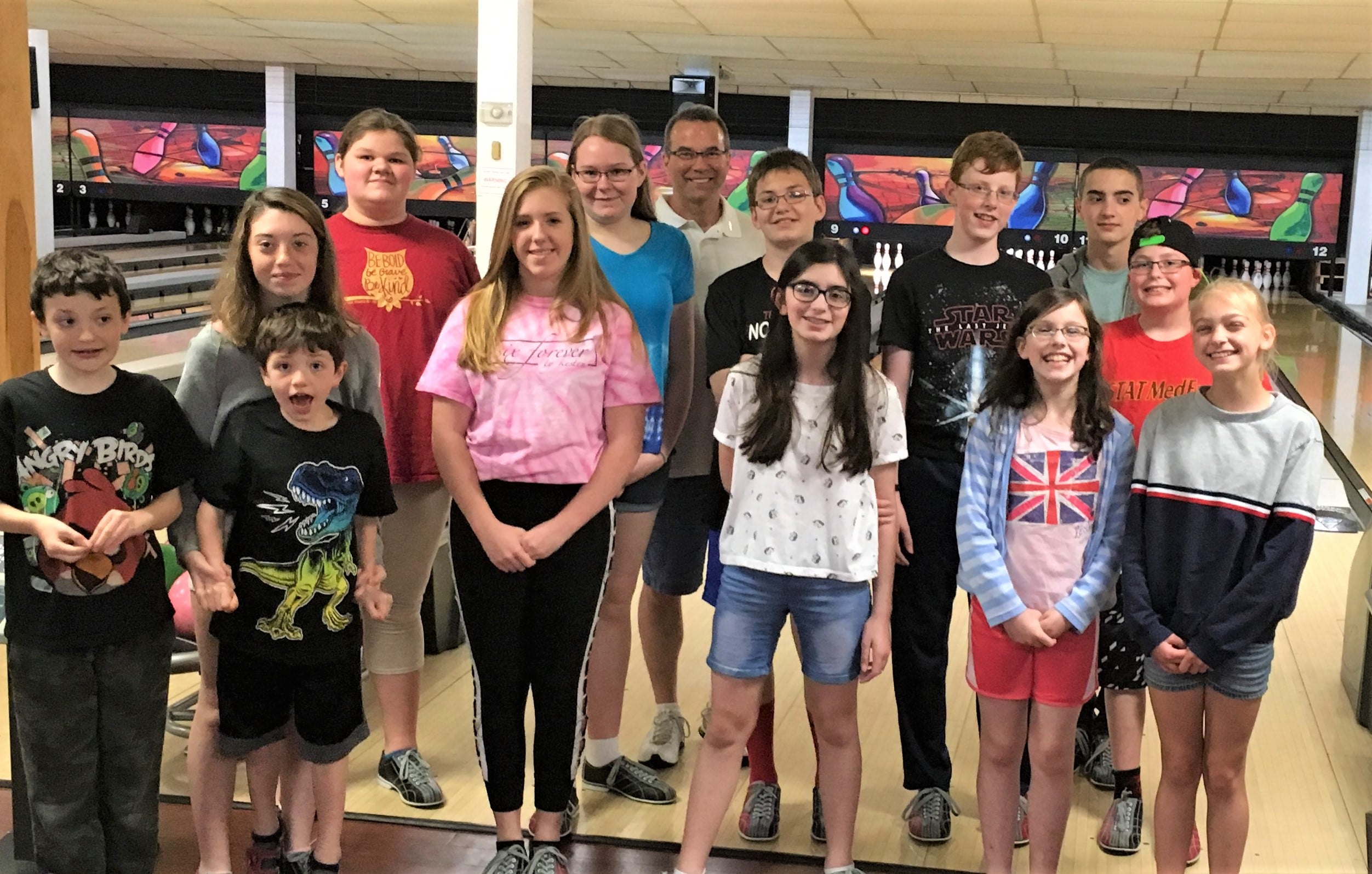
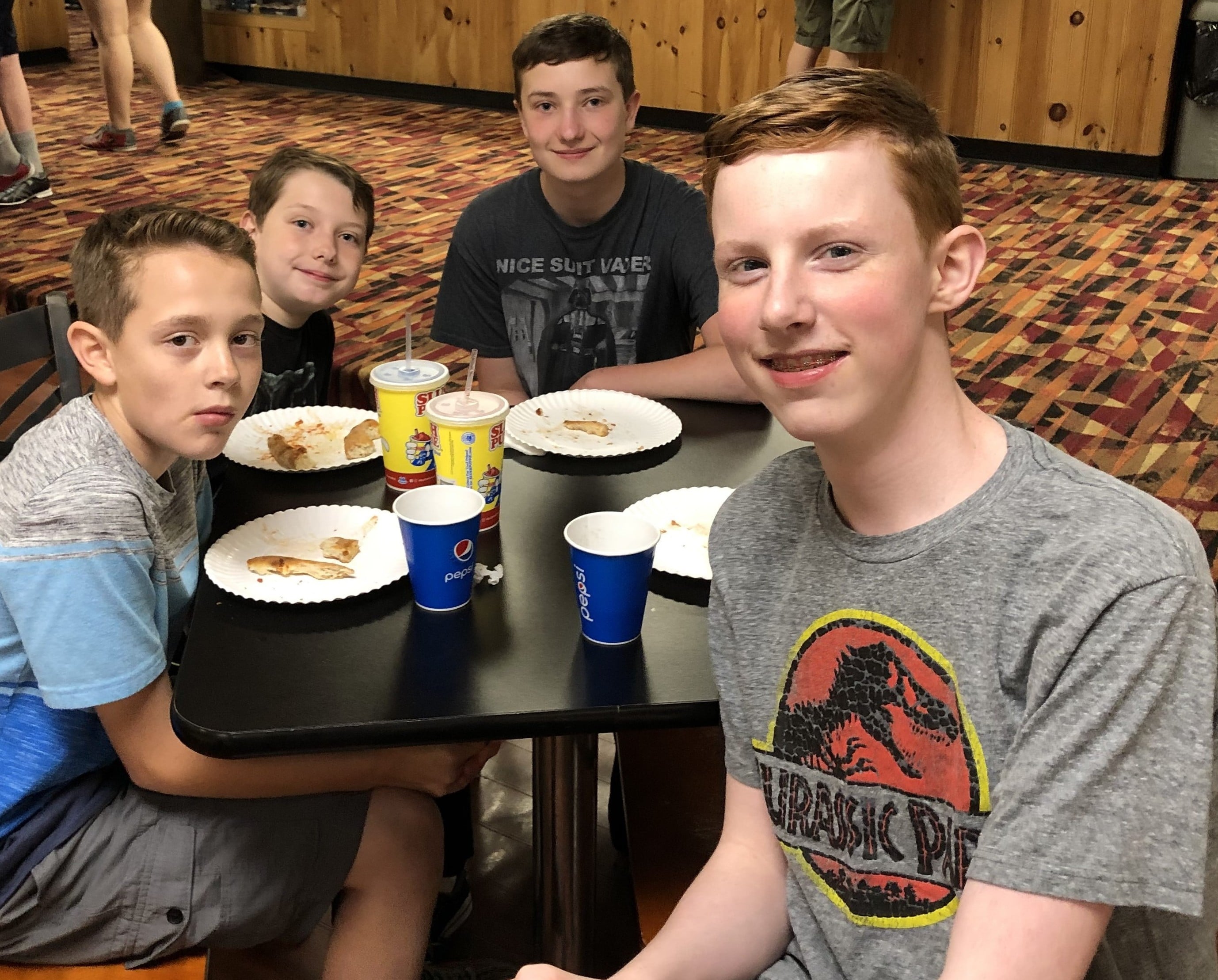
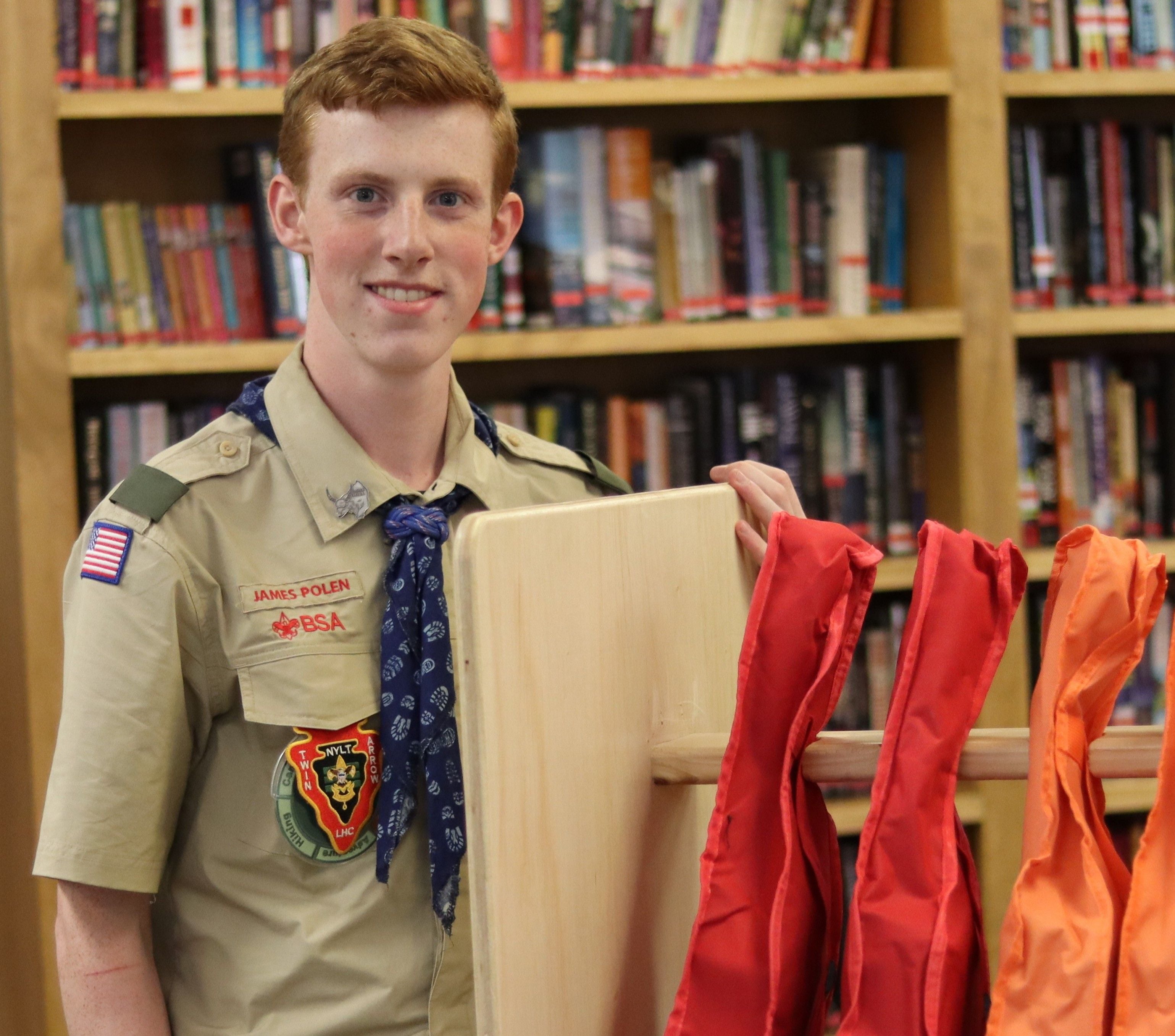
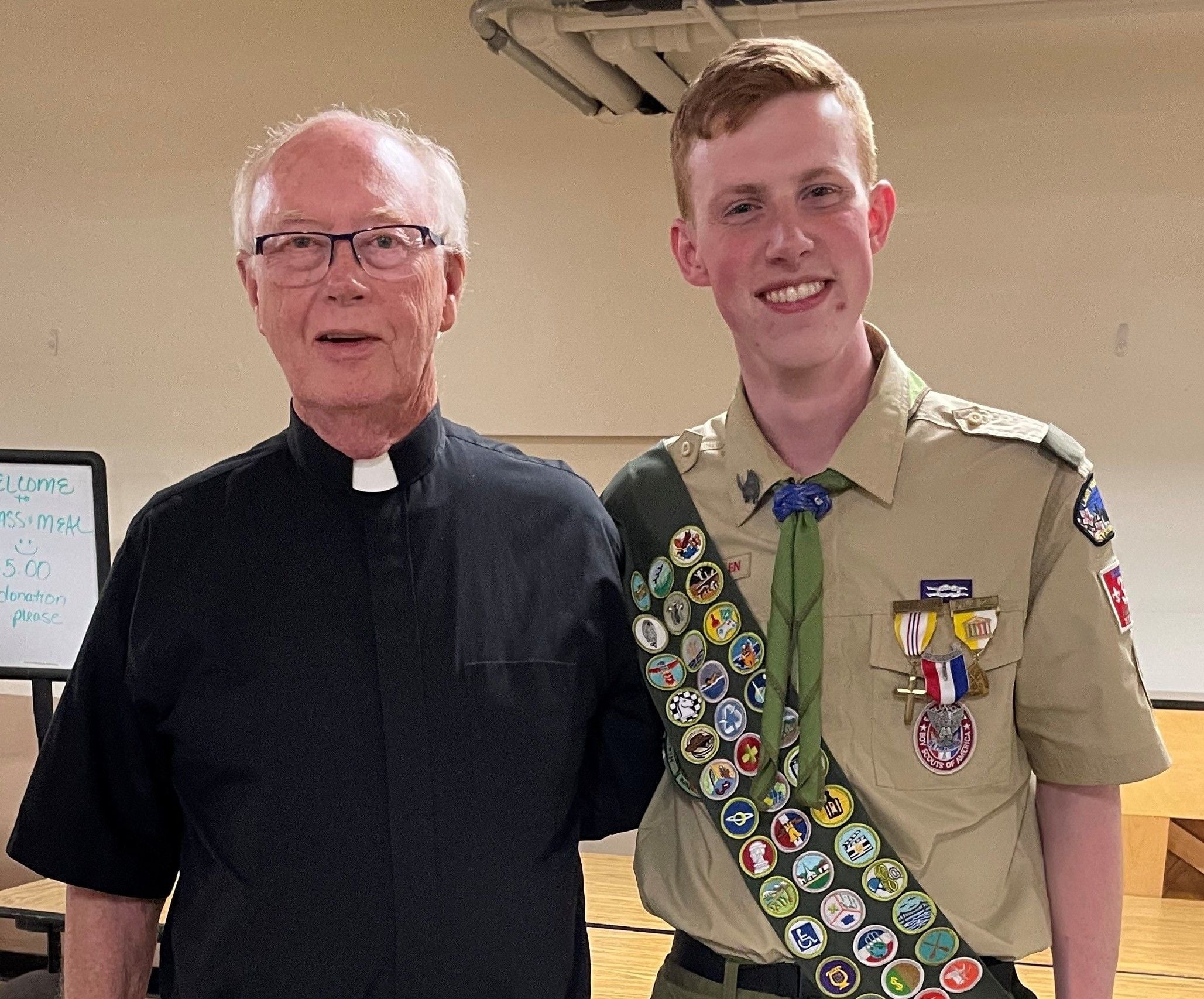
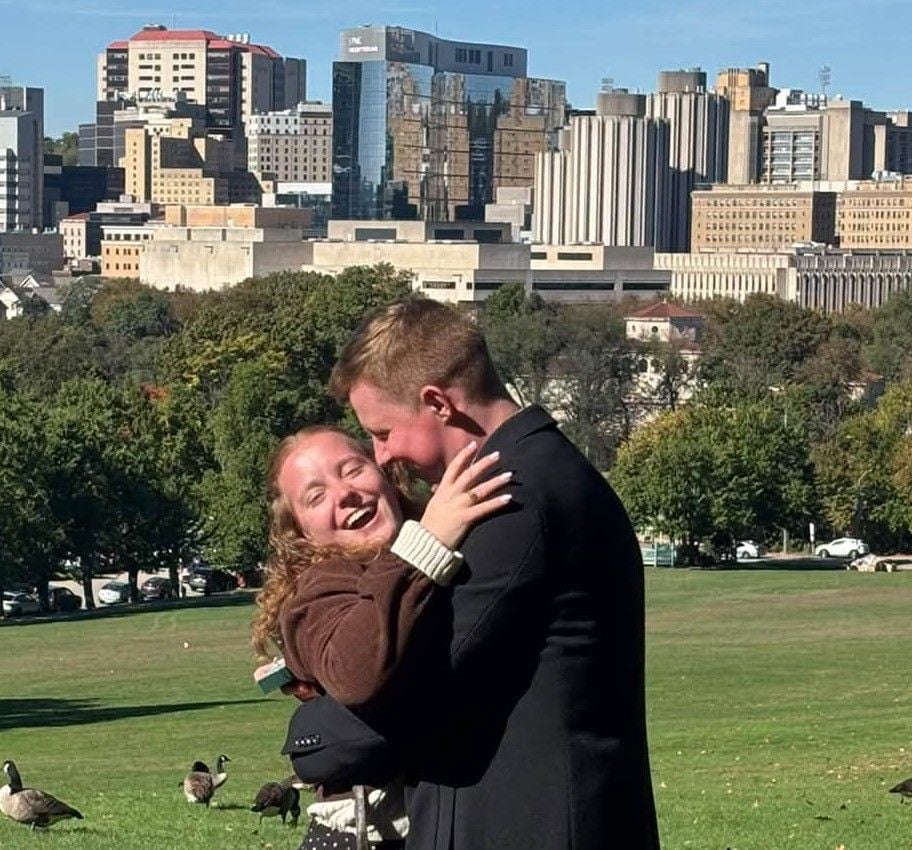
Beth Polen posted on Facebook last week that their (Beth and Scott's) son James had become engaged. We can definitely put this in the "How time flies" category! We're taking a moment now to enjoy some pictures from James' early life at St Athanasius. In a blink of an eye, James went from a little guy, one of our youngest altar servers, to this fine young man with a great life ahead of him! Congrats to James and Alexa!
Deacon Bill Homily Archive
Here are four recent homilies. Hover over the icons below to see the dates and topics.

SUBSCRIBE & RECEIVE
Become a Prayer Chain Member!
Give us your email address and we'll add you to the email distribution so that you can pray with us!
Thanks for visiting, and remember...
God loves you right where you are!
Deacon Bill Palamara 412-596-3370